
How Quality Cannabis Is Grown
Where and how cannabis is grown shapes its look, smell and effect. This guide covers indoor, outdoor and greenhouse growing, soil and soilless systems, harvest timing and the red flags we screen for.
Indoor, outdoor and greenhouse
Indoor growers control temperature, humidity, light and airflow. That control produces consistent, frosty, tightly trimmed flower, at a higher energy cost.
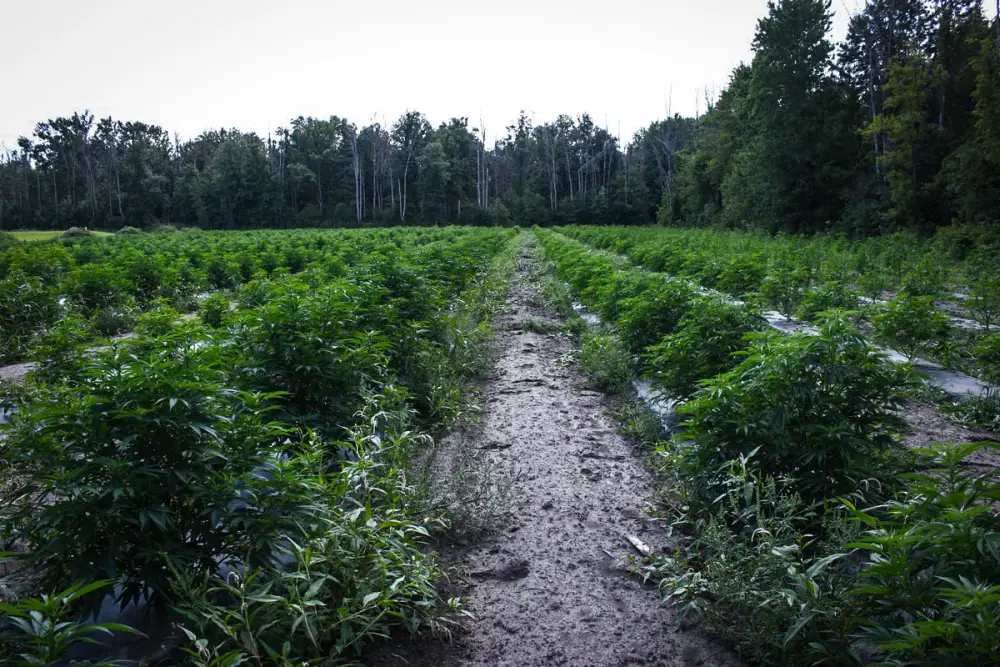
Outdoor or sun-grown cannabis grows under natural light in the ground. Fans say the full sun spectrum brings out deeper terpene profiles, and it carries a smaller footprint. Our Sovereign Sungrown line comes from this tradition.
Greenhouse growing sits in between: natural sunlight with a roof and walls to protect plants from weather and pests.
Soil or soilless
Organic, soil-grown flower is prized by many longtime smokers, who describe it as tasting and smelling better. There is no hard proof of that, and organic flower usually costs more.
Soilless systems feed plants through water instead. Hydroponics suspends roots in a medium like rockwool or coco coir. Aeroponics mists bare roots with nutrients. Aquaponics pairs plants with fish, using fish waste as the nutrient source.
The life of a plant
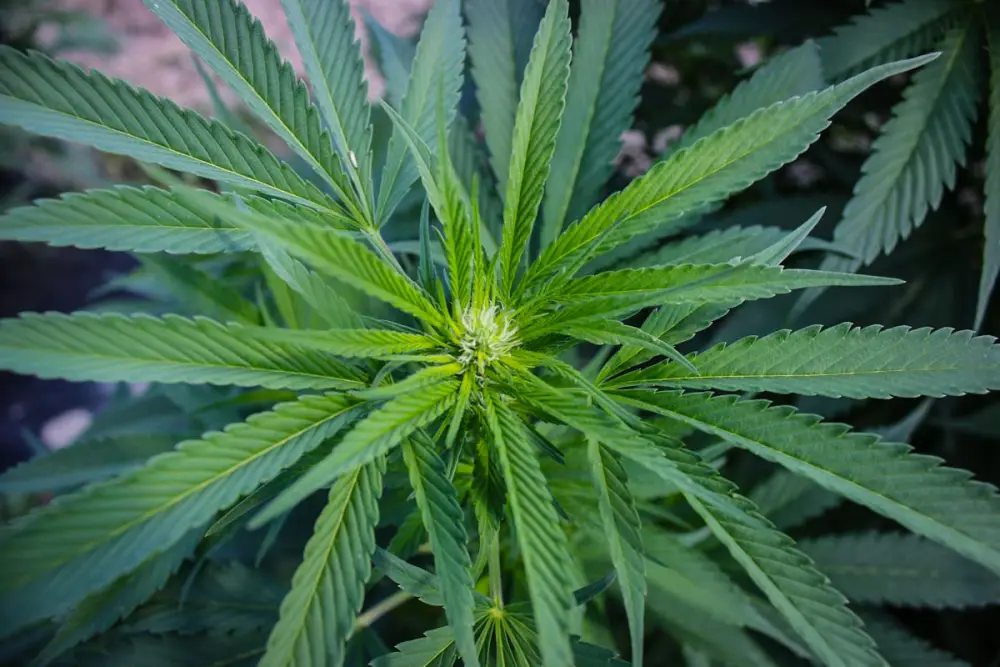
A cannabis plant moves through four stages. Germination cracks the seed and sends out a taproot. The seedling stage builds the first true leaves. In the vegetative stage the plant grows fast, building the stems and leaves that will carry buds. Flowering starts when light hours shorten, and it runs in three phases: early bud set, mid-flower bulking, and final ripening.
Harvest and trim
Growers time harvest by looking at trichomes under magnification. Clear trichomes mean it is too early, cloudy means peak potency, and amber means the effect is turning heavier and more sedating. About a week before harvest, many growers stop feeding and give plain water only.
After harvest, buds are trimmed. Dry trimming, the more common method, hangs whole branches to dry before trimming. Wet trimming cuts leaves right after harvest, which is faster but can speed up drying too much. Sharp scissors and a patient dry and cure make the difference you can smell in the jar.
Red flags that never reach our shelves
Mold and mildew
White powdery spots or gray fuzz (botrytis) mean the batch is rejected. Proper drying and airflow prevent it.
Seeds and bananas
Seeds or banana-shaped pollen sacs point to a stressed or pollinated plant. Seedy flower is graded out.
Poor cure
A smell of hay or grass, or buds that crumble to dust, mean the cure was rushed. Those batches drop grades or get turned away.
These checks feed straight into our S.T.A.T.S. grading. New to all this? Start with Cannabis 101.
See the grades for yourself
Every jar on the menu shows its grade. Shop your store.